The ROK JCS has initiated a formal review of plans to introduce an unmanned Guard Post (GP) surveillance and security operations system in the early 2030s.According to military sources cited Thursday, the ROK JCS has initiated a formal review of plans to introduce an unmanned Guard Post (GP) surveillance and security operations system in the early 2030s. The move is designed to offset the so-called “troop cliff” caused by South Korea’s rapidly declining birthrate.
The review concluded that few modern militaries continue to rely on large standing forces for constant border guard duty to the extent currently seen along the Korean Peninsula. As manpower shortages intensify, the ROK JCS has opted for a phased restructuring of frontline units, gradually withdrawing permanently stationed GP troops and replacing them with advanced sensors, remote-controlled weapon stations (RCWS), and unmanned ground vehicles.
Under the new concept, AI-enabled systems would conduct continuous surveillance and initial threat detection, while trained maneuver units would be rapidly deployed only when direct human intervention is required.
“This is not about simply freeing up troops through GP unmanning,” a ROK military official said. “It is part of a broader restructuring of frontline security forces to shape a standing military optimized for real combat readiness and effective threat response.”
GPs are hardened concrete observation posts positioned on high ground inside the Demilitarized Zone, currently manned by reconnaissance units. Although the 1953 Armistice restricts the deployment of automated weapons inside the DMZ, North Korea has long violated these provisions, effectively transforming the area into a heavily militarized zone. South Korea is believed to operate more than 70 GPs, while North Korea maintains over 160.
At the same time, the ROK JCS is reviewing further optimization of General Outpost (GOP) and Civilian Control Line security. Traditional fence-based defenses would be fully replaced with AI-enhanced surveillance networks, while some routine guard functions may be outsourced. Basic perimeter security would increasingly rely on multipurpose unmanned vehicles, allowing active-duty troops to focus on command, control, and highly mobile strike missions.
The transformation will proceed in stages. By 2027, the military plans to complete performance upgrades to its existing science-based border surveillance systems. Between 2028 and 2029, an AI-integrated command and control platform linking surveillance, decision-making, and strike assets across the entire frontline is scheduled for deployment.
Full-scale introduction of unmanned GP security systems is targeted for the early 2030s, with advanced sensors and automated defenses installed at the most forward positions. By 2040, the ROK JCS aims to complete the transition to an AI-based, manpower-saving frontline defense structure.
Defense officials say the shift will allow limited manpower to be concentrated into highly trained, combat-ready units, strengthening deterrence and improving the military’s ability to respond swiftly to provocations—despite mounting demographic pressures.
K-DEFENSE NEWS | Strategic Analysis Desk
#ROKJCS #UnmannedGP #AIWarfare #DMZ #FutureForce #TroopShortage #SmartDefense #MilitaryAI #AutonomousDefense


 Saudi Air Force Commander Visits KAI, Explores KF-21 Cooperation
 대만 국산 잠수함 ‘하이쿤’, 첫 잠항 성공
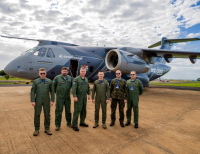 폴란드, 브라질서 군용기 실전 점검… KC-390·A-29 도입 하나
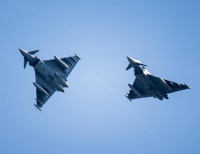 유로파이터 루마니아 전진배치… NATO 동남부 방공 태세 강화
 [대영제국] 디트로이트 전시장에 전격 등장! 차세대 전차 M1E3 실물 공개!
 목록
목록